
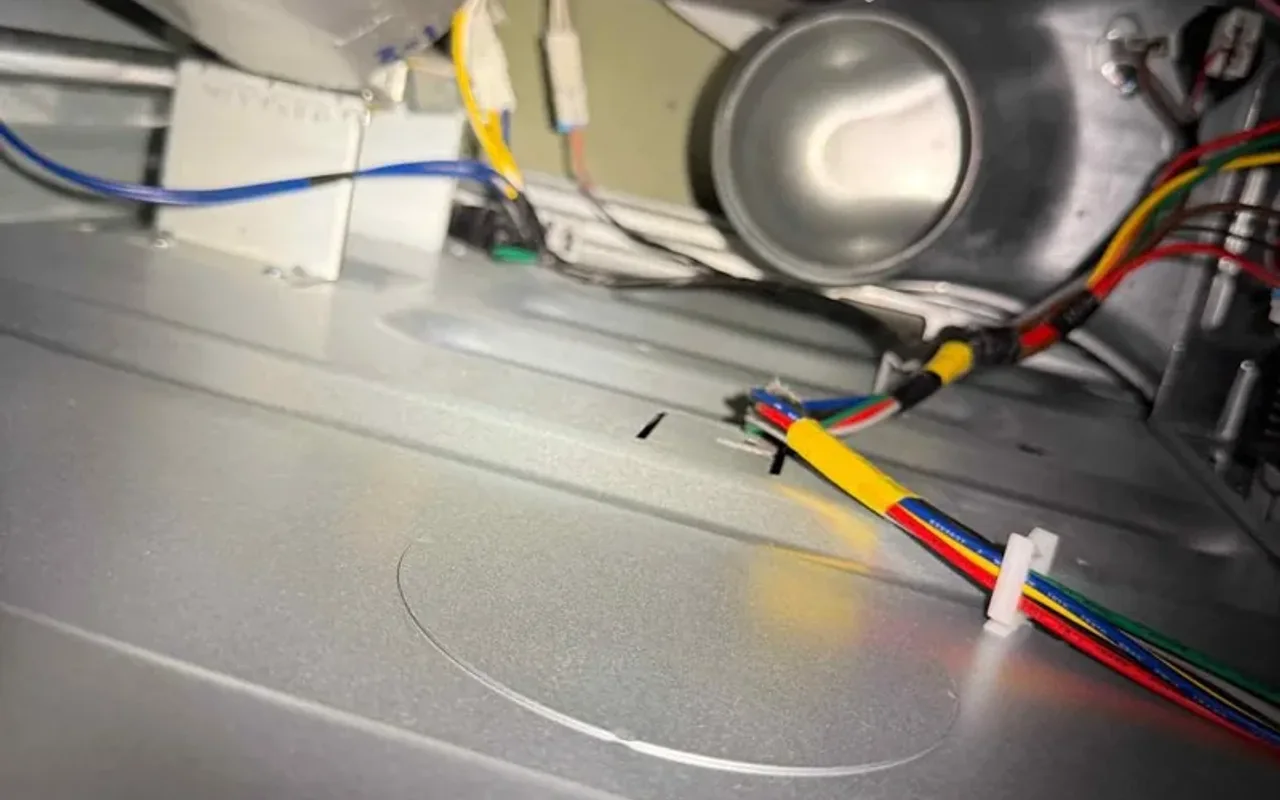
Common dryer repair enquiries
- Dryer runs without heat
- Clothes take too long to dry
- Drum will not turn
- Unusual noise or overheating
No heat and long drying times are different clues
A dryer that tumbles without heat may have a heating, power, control or safety-system issue. A dryer that gets hot but leaves clothes damp may need an airflow assessment. Tell the provider whether the problem affects every load and whether the dryer is gas, electric or a ventless heat-pump model.
Include the exhaust path in the conversation
Explain where the dryer vents and whether there is a long run, roof termination or shared building arrangement. The appliance and the exhaust installation can need separate work. Do not use a dryer that smells burned, smokes or overheats. A thermal safety device should never be bypassed to keep a load running.
Plan a useful dryer service enquiry
Have the model number, operating pattern and installation details ready. Confirm who will move stacked equipment, inspect the exhaust and restore any disconnected duct. Ask how the provider will verify heat, drum movement and safe operation after the proposed repair. Fees, parts and appointment availability should be confirmed directly.
What to confirm before the visit
Ask who will attend, whether the provider supports the exact model and what the diagnostic charge includes. Confirm parts, labor, access work, any fee credit and warranty terms in the written proposal. An appointment does not guarantee a stocked part or a same-day completed repair. Keep the model information and agreed scope available for the visit.
Local appliance repair enquiries
Start with New Braunfels, San Antonio, San Marcos, Seguin or the full service-area directory. Confirm coverage for your address.